
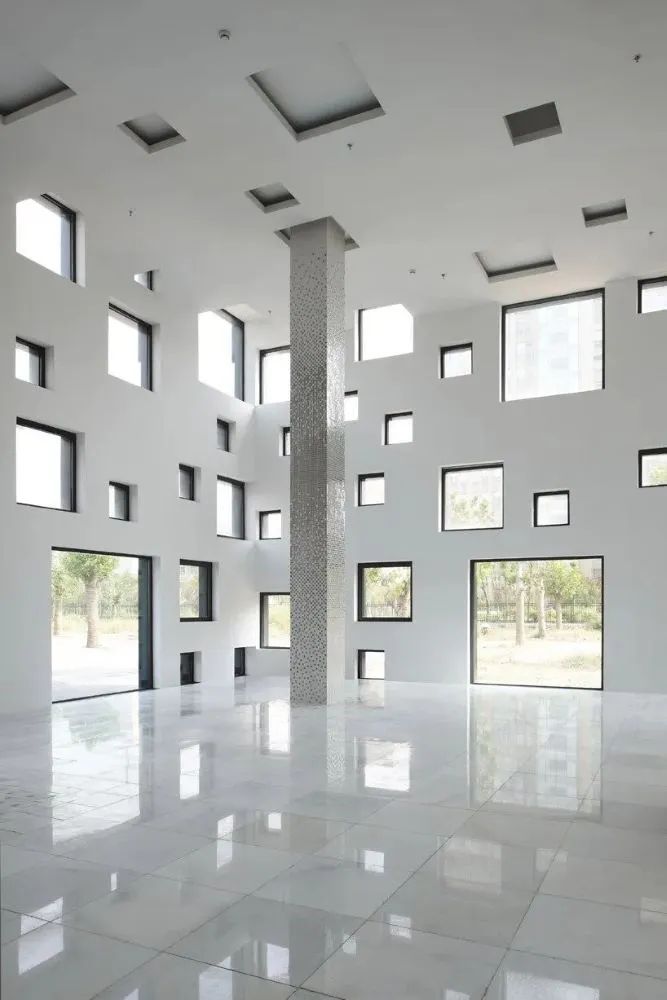
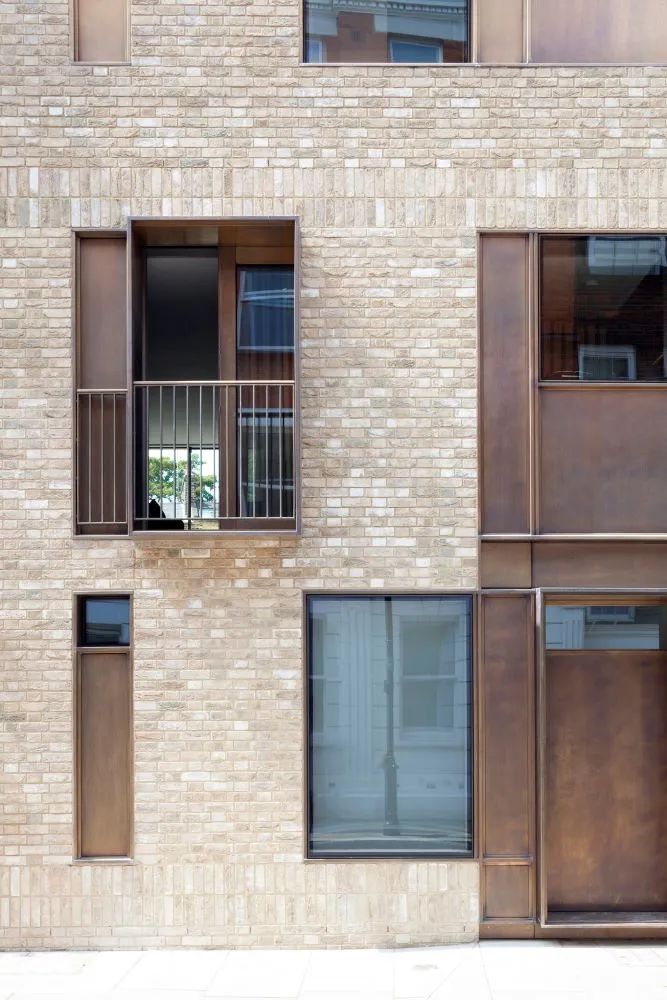
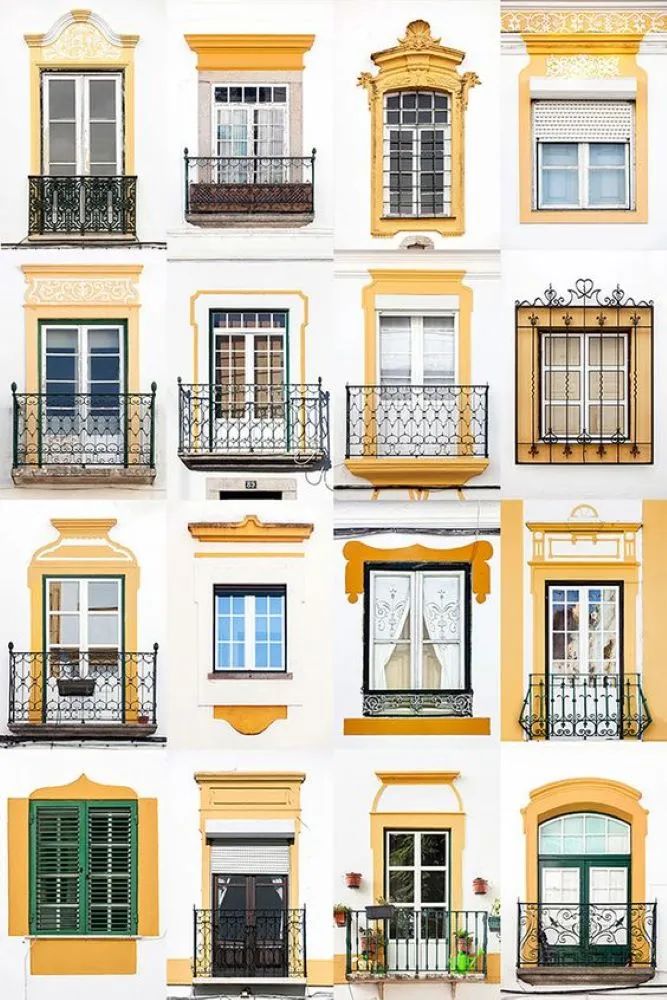
Fenestration includes openings like doors and windows in a building’s exterior. The design and arrangement of these openings impacts the building’s aesthetics, functionality, and energy performance. Strategic and careful planning of these openings allows for the effective use of natural lighting and ventilation, further enhancing the building’s overall environmental quality and energy efficiency.
Finial
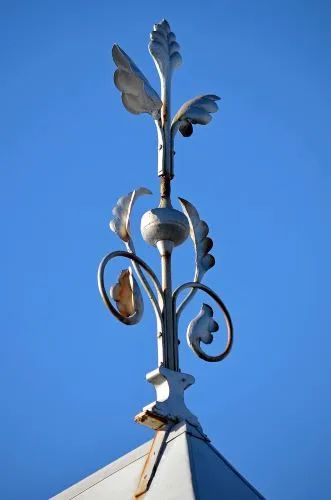
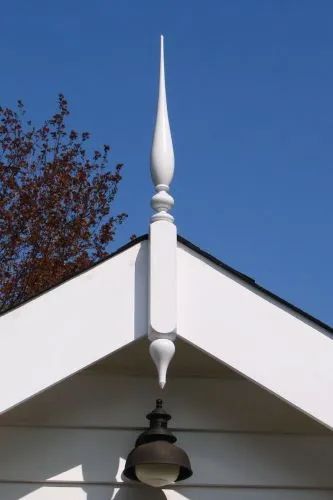
A finial also known as hip-knob, is a pointed decoration or ornament found on the tops or ends of architectural elements like gables, pinnacles, canopies, and spires. They range from very simplistic designs to extremely intricate ones featuring motifs like flowers and animals. Due to their prominent position, finials are often crafted from durable materials to endure exposure to different weather conditions.
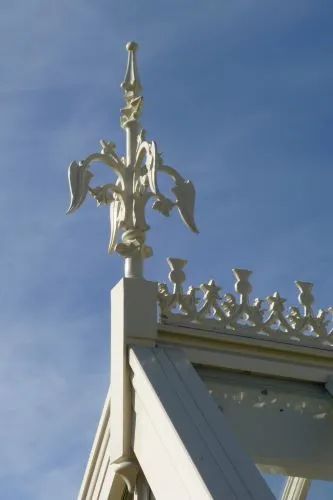
Loggia
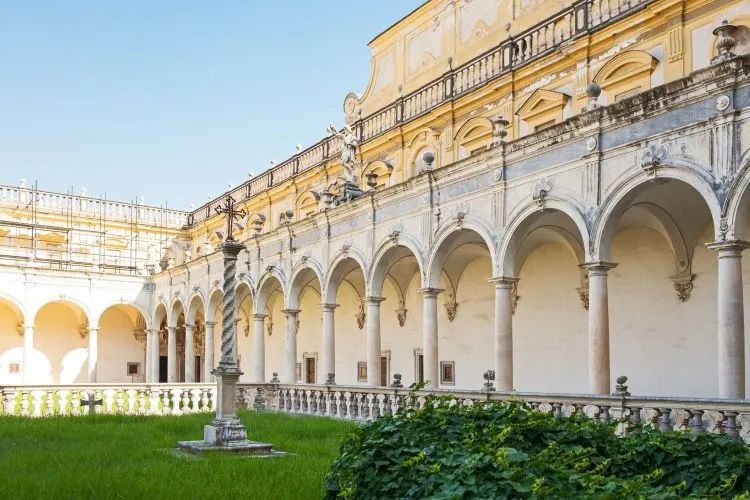
Loggia in architecture is a covered exterior space that has columns or arches running along the sides. It comes from the Italian word for ‘lodge.’ These outdoor corridors often overlook green spaces with beautiful views like that in a garden or courtyard, making them ideal for relaxation. The overhead roof provides shelter and shade from the elements. Loggias serve as great transitional buffer spaces between the outside and inside.
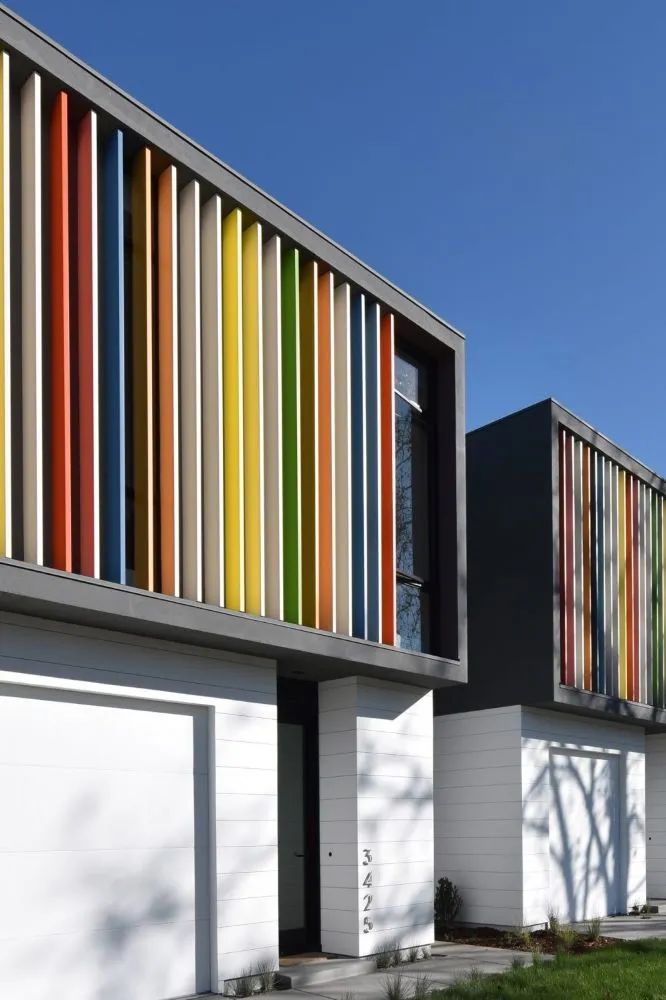
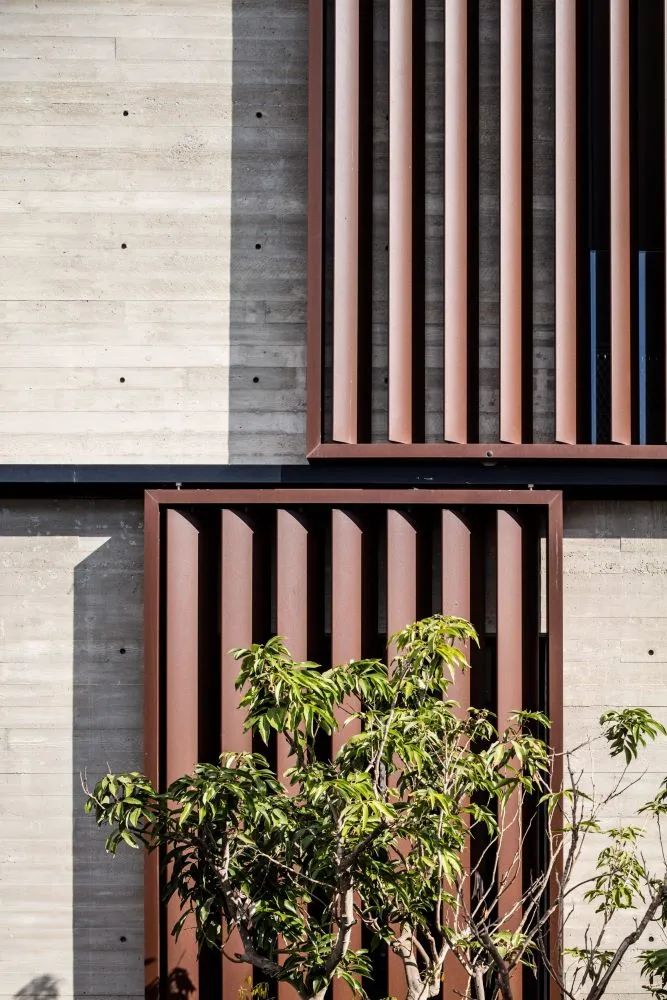
Louvre
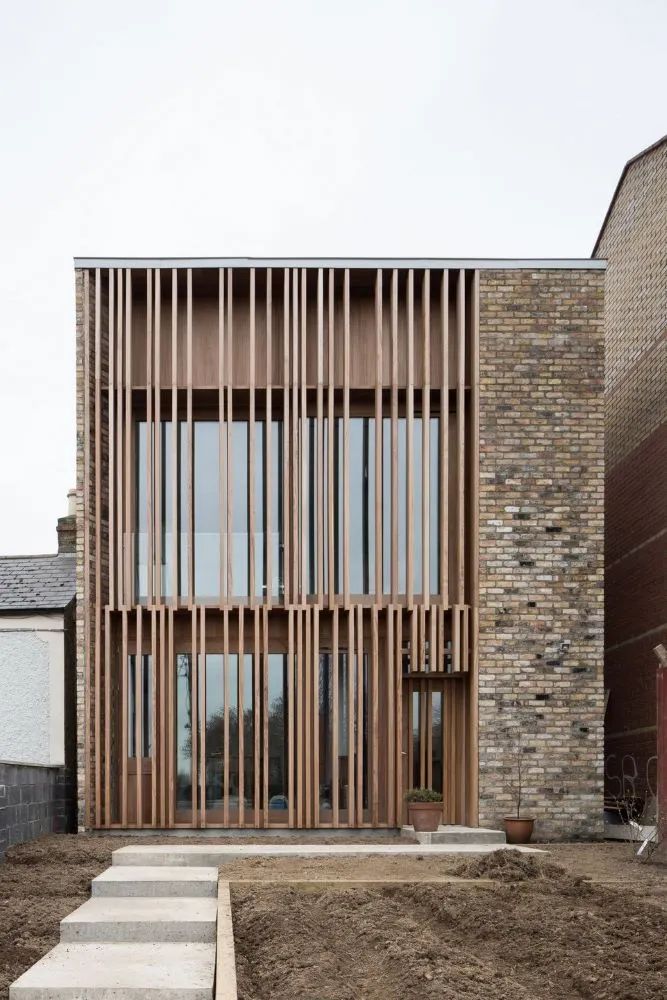
Louvres are features made up of angled slats or blades organised either horizontally or vertically. They can be made of a variety of materials and designed to remain fixed or be adjustable. Louvres are commonly used to control the amount of natural light, allow ventilation and to provide privacy in areas where there are openings in a building. Additionally, they can be employed on building facades to shield against environmental elements while enhancing the overall aesthetic appeal of the structure.
Motifs
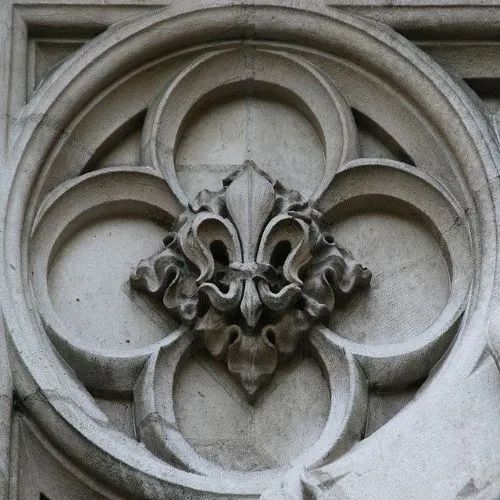
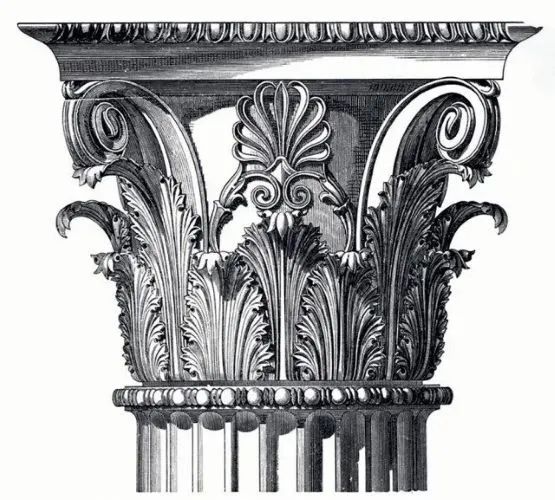
Motifs are decorative and repeating elements, patterns or themes that are incorporated into a building or design. They carry symbolic meaning and have been in use throughout history. Each culture has unique motifs inspired from nature, history, and other sources. Motifs not only add visual intrigue to a building but also play a vital role in defining its character and identity.
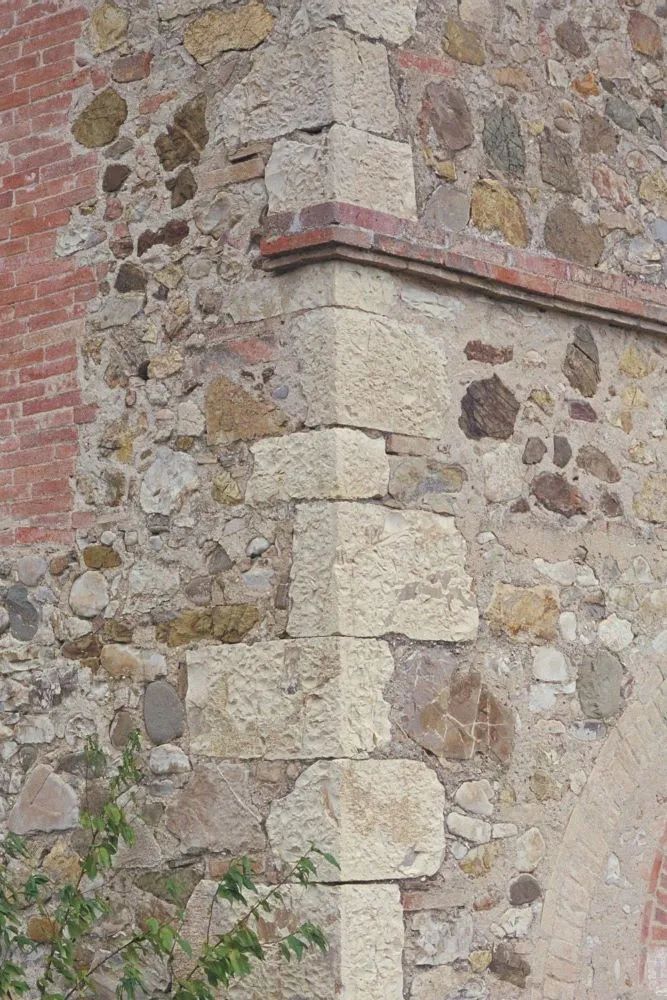
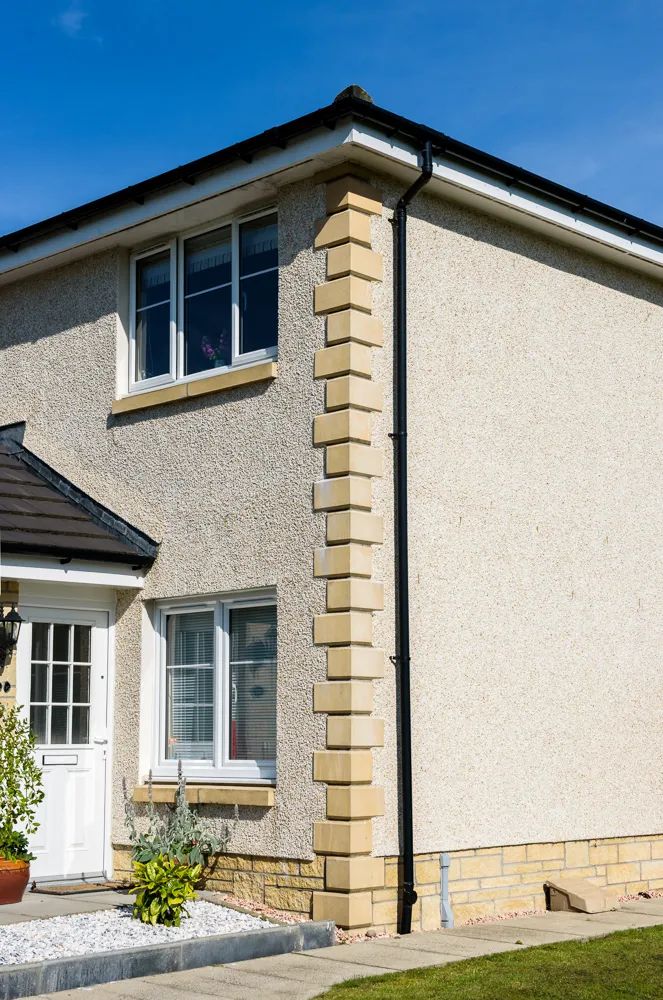
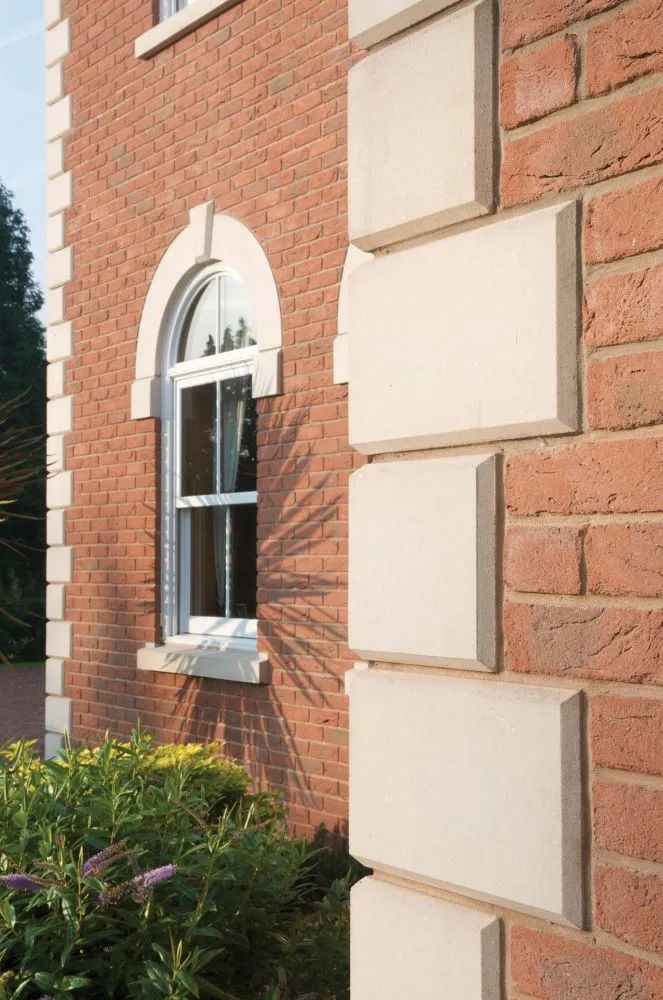
Quoins
A quoin is basically a corner with decorative elements. It consists of a pattern of rectangular blocks that are bound to catch the eye as they contrast with the colour and texture of the wall. Quoins can be made of materials like brick, stone, concrete or stucco. Originally, quoining was used to provide structural stability to a building’s corners but over time it evolved into a design feature.
Rotunda
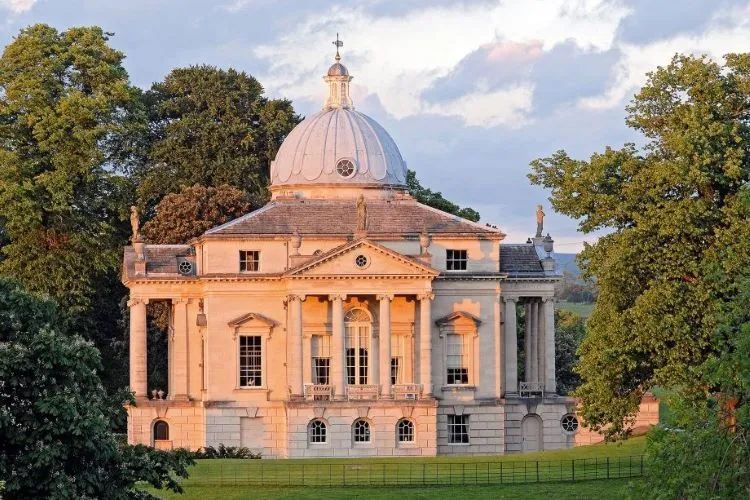
Rotundas are structures with circular or oval floor plans, and dome covered roofs surrounded by walls or columns. They create these large central open spaces that are used for gatherings. The term comes from the Latin word ‘rotundus’ meaning ‘round’ or ‘circular.’ A famous example includes the Pantheon in Rome.
Bargeboard
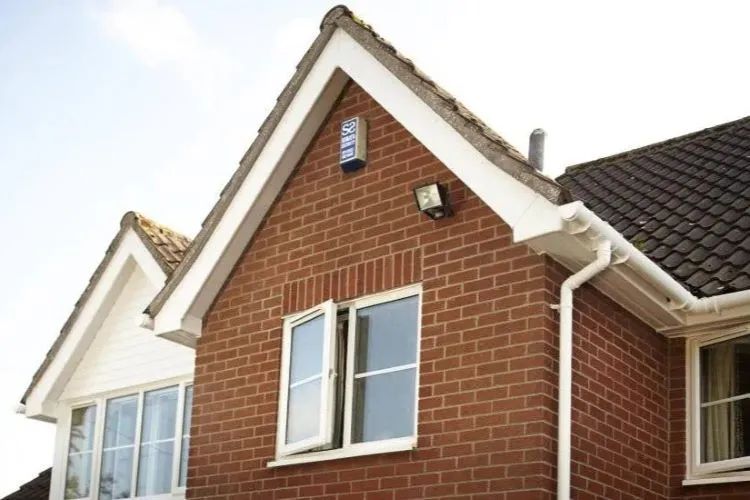
A bargeboard is a decorative architectural element we use on the gable end of a roof. It helps to create an aesthetic finish by concealing the ends of the timber beams that are within the roof. Bargeboards also provide strength and protection to the exposed ends of the roof rafters against weathering.
 mhbuilder Lahore